
The Water System You Never See
When most people think about the Nevada Irrigation District, they picture reservoirs, lakes, canals, and perhaps a water treatment plant.
But some of the most important work happens where customers never see it. Behind every glass of drinking water, every irrigated pasture, and every spinning hydropower turbine is a network of technology, infrastructure, and skilled employees working quietly around the clock to keep water flowing safely and reliably.
For 105 years, NID has adapted to changing needs by combining proven infrastructure with modern innovation.
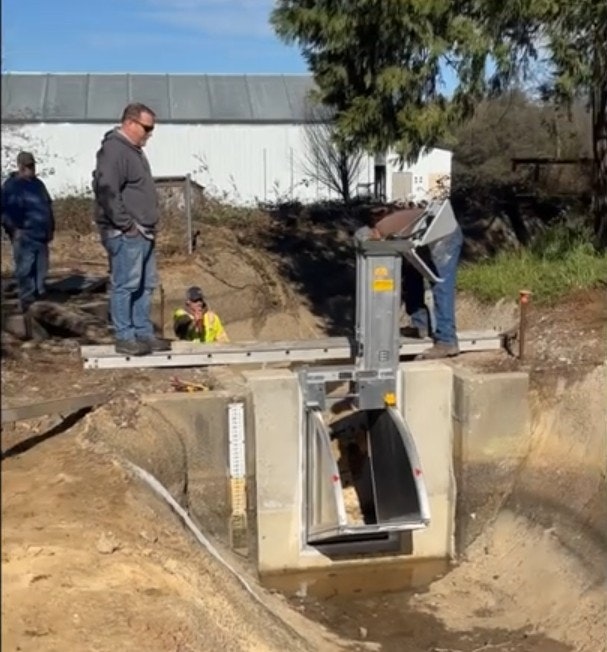
Take water delivery, for example. A century ago, operating a canal often meant crews traveling into the field to manually adjust gates. Today, many parts of the system can be monitored and controlled remotely, allowing operators to respond more quickly to changing water demands while improving efficiency and reliability.
Much of that technology is invisible to customers. Sensors continuously monitor water systems. Automated controls help regulate water delivery. Operators can view system performance in real time, allowing them to identify potential issues before they become larger problems.
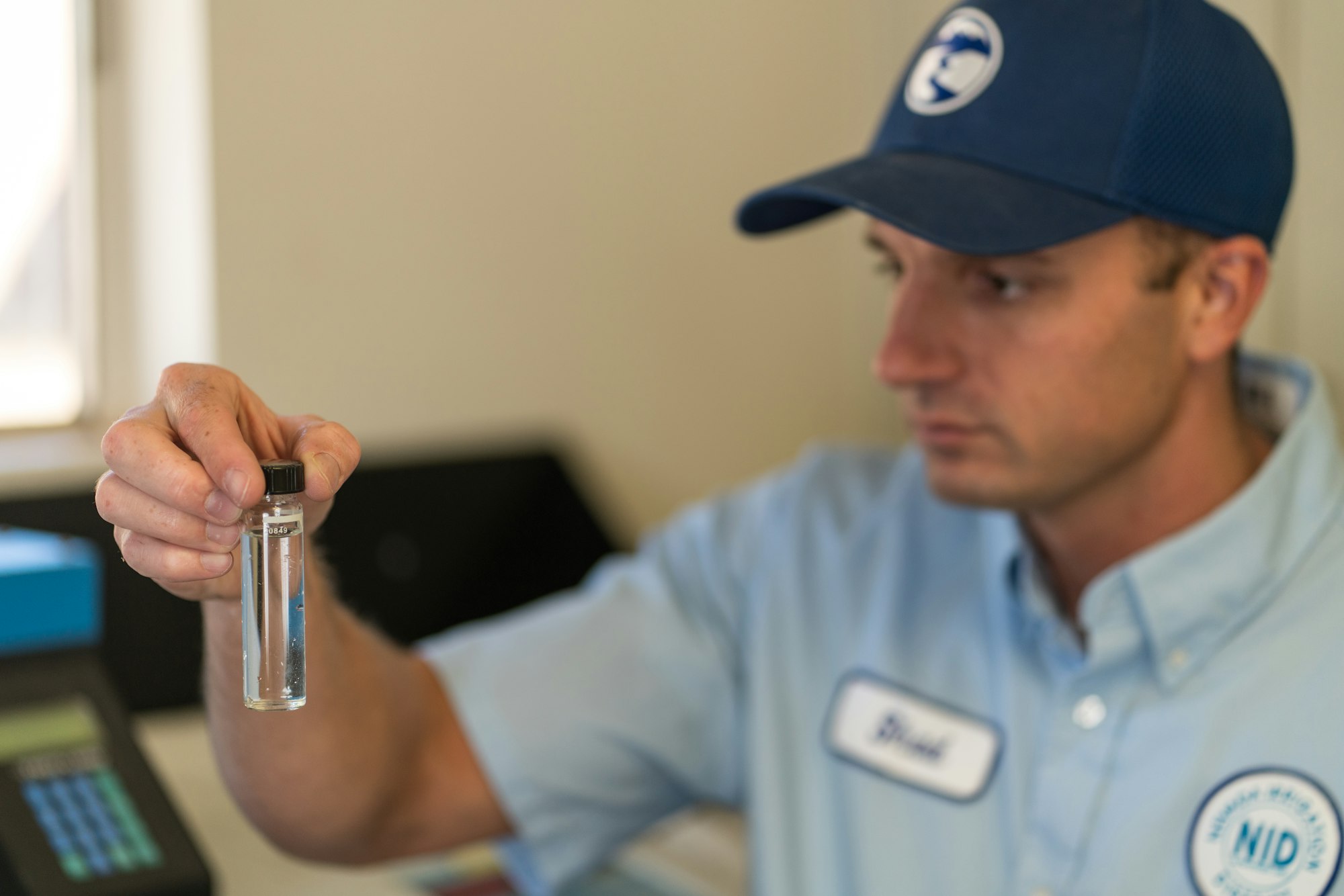
The same is true for drinking water. Every day, certified operators use sophisticated instruments to monitor water quality throughout the treatment process. Equipment such as turbidimeters measures water clarity to verify that filtration is performing properly. Laboratory testing confirms that NID's drinking water continues to meet or exceed all state and federal health standards.
Innovation isn't limited to electronics.

Across the District, crews are replacing aging pipelines, improving siphons, upgrading pressure-reducing facilities, and strengthening the infrastructure that keeps water moving throughout Nevada and Placer counties. These projects often happen underground or behind the scenes, but they improve reliability for thousands of customers every day.
Some of NID's biggest investments are preparing the system for the next generation. The Scotts Flat Spillway Replacement Project will strengthen a critical reservoir for decades to come. Improvements to the South Yuba Canal are helping preserve one of the region's most important water delivery systems while increasing wildfire resilience. At the Lake Wildwood Water Treatment Plant, planned upgrades will modernize critical infrastructure to help provide safe, reliable drinking water well into the future.
Even innovation can look surprisingly natural.
High in the Sierra, projects like the English Meadow Restoration Project use modern science and engineering to restore natural watershed functions. By improving meadow hydrology and forest health, NID is helping protect water quality, reduce wildfire risk, and strengthen the headwaters that supply the District's reservoirs.
Most customers will never see these systems at work.
They won't notice the automated gate adjusting water deliveries, the operator monitoring treatment processes, the sensor collecting data, or the crew replacing a buried pipeline.
And that's exactly the point.
A reliable water system should work so well that people rarely have to think about it.
For 105 years, NID has continued to invest in the people, technology, and infrastructure that make that reliability possible. Because while the water system may often be out of sight, it's never out of mind.