
NID's million-dollar, one-dollar deal
The negotiation that built NID

Before NID acquired a vast network of mountain reservoirs, canals, and water rights, one man stood in the way: mining magnate William B. Bourn II.
Bourn, owner of the famed Empire Mine in Grass Valley and one of California's wealthiest businessmen, controlled a collection of high-Sierra water properties that included Bowman Reservoir and the historic North Bloomfield Canal. These reservoirs and water rights were exactly what the young irrigation district needed to secure a reliable future water supply.
There was just one problem.
Bourn wasn't interested in selling.
In fact, when PG&E offered him $1 million in stocks and bonds for the properties in the early 1920s, he turned the offer down. Bourn believed hydraulic mining might someday return to the San Juan Ridge, and he wanted to preserve access to the water that could bring those operations back to life.
Enter NID Manager Ed Wisker.
Unlike others who saw reservoirs and water rights, Wisker recognized what Bourn truly valued: the possibility of mining again. So he traveled to San Francisco to meet with the mining magnate face-to-face.
During their conversation, Bourn asked a simple question:
"What would you do with the North Bloomfield ditch?"
The canal had once carried water to the famous Malakoff Diggins hydraulic mine and remained central to Bourn's hopes for future mining.

Wisker's answer changed everything.
"Why, I'd give it to you," he replied. "All I want is the water rights and the reservoirs upstream."
Wisker promised that NID would ensure Bourn's mining interests would continue to have access to water if they ever needed it. It was a proposal tailored precisely to what Bourn cared about most.
According to local legend, the deal that followed became one of the most remarkable transactions in Nevada County history.
For just $1, NID acquired the reservoirs, canals, dams, and valuable pre-1914 water rights that would become the backbone of its future water system.
Whether the final price was truly a single dollar or simply a symbolic figure, the outcome was transformative. The acquisition secured critical mountain water supplies and laid the foundation for future agreements that would help finance and expand NID's growing infrastructure.
The story didn't end there. In the years that followed, NID acquired additional reservoir properties and water rights connected to Bourn's holdings, including French, Faucherie, Sawmill, and English reservoirs, further strengthening the District's foothold in the Sierra.
Looking back decades later, even Bourn's own business manager believed the mining magnate had made a mistake.
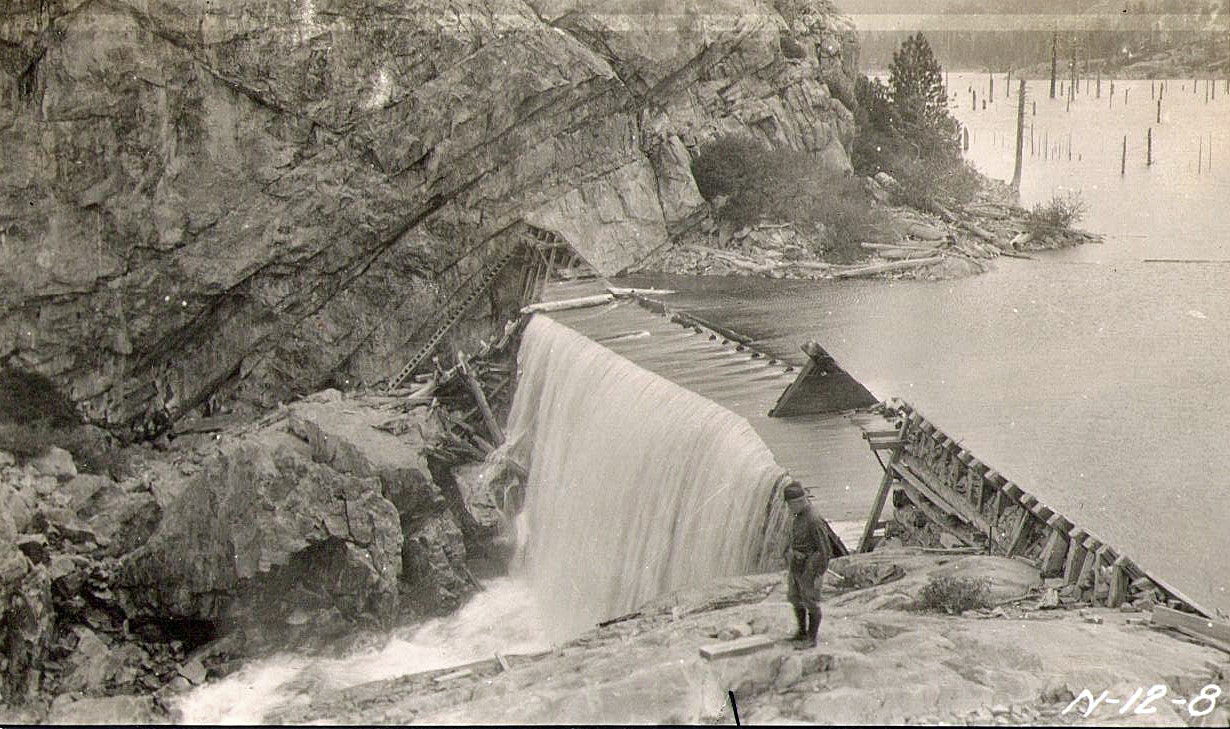
"That's the only time in my life that I ever knew Bill Bourn to make a business blunder," Sam Eastman reportedly said. "Bill should have accepted that million dollars."
Hydraulic mining never returned as Bourn had hoped. But the reservoirs, canals, and water rights he sold became the foundation of a public water system that continues serving Nevada County more than a century later.
Not bad for a one-dollar investment.
