
Community vision creates the District-- residents vote to form NID
How Nevada Irrigation District Was Formed
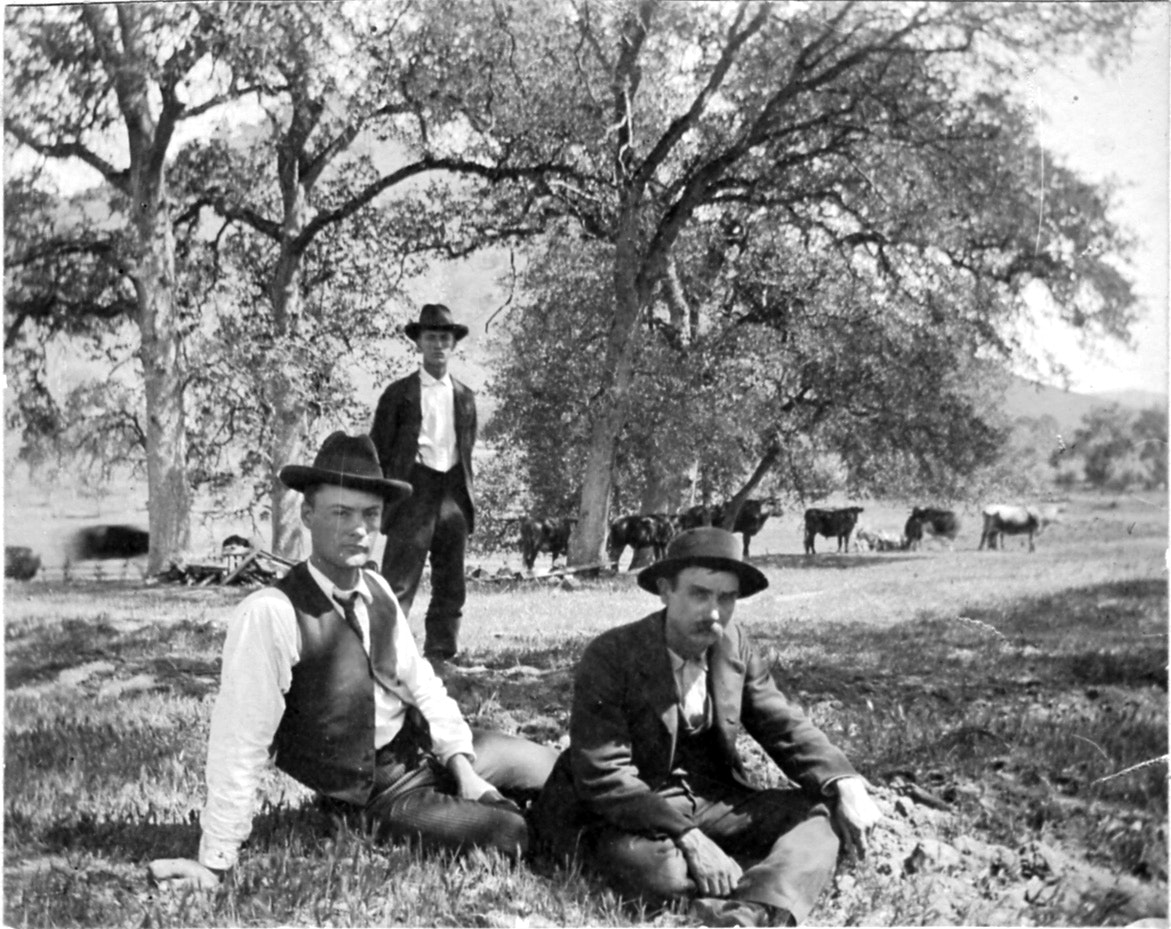
In the late 1800s and early 1900s, western Nevada County was growing rapidly with farms, orchards, ranches, and mining communities. But reliable water was limited. Local farmers depended on rainfall and small private water systems that could not support long-term agricultural growth.
At the same time, the Sierra Nevada was becoming a center for hydroelectric innovation. In 1896, power generated from mountain water near the Yuba River was first delivered to Nevada County communities. The success of these early hydroelectric systems eventually helped form what became Pacific Gas & Electric Company (PG&E).

As agriculture expanded, local residents recognized that a larger, publicly controlled water system would be necessary to secure the region’s future. Community leaders, farmers, and business owners began organizing efforts to create an irrigation district that could acquire water rights, build reservoirs and canals, and deliver reliable water throughout western Nevada County.
One of the leading voices was Aubrey L. Wisker, a mining engineer, rancher, and strong advocate for irrigation development. Wisker believed the region’s future depended on capturing and transporting Sierra water to foothill farms and communities.
After years of planning and public outreach, Nevada County voters overwhelmingly approved the formation of the Nevada Irrigation District on August 5, 1921, by a vote of 636 to 163. Ten days later, on August 15, 1921, NID officially formed and held its first Board meeting at the Bret Harte Hotel in Grass Valley.
The new District faced enormous challenges. NID needed to secure water rights, acquire aging Gold Rush era canals and reservoirs, develop financing, and design an entirely new regional water system.
Despite limited funding, the District moved quickly. Wisker accepted the role of District Manager for just $1 per month and began negotiating the purchase of key water infrastructure and mountain water supplies. During these early years, NID acquired important reservoirs, canals, and water rights that still form the backbone of the District’s modern system today.
At the same time, renowned engineer Fred H. Tibbetts developed a long-range plan for transporting water from high elevation Sierra watersheds into western Nevada County. His vision included reservoirs, tunnels, canals, and connections that remain central to NID operations more than a century later.
A major breakthrough came in 1924 when NID reached a landmark agreement with PG&E. The agreement allowed NID water to be used for hydroelectric generation before being delivered to customers. Revenue from the partnership helped provide the financial stability needed to expand the system.
In 1925, voters approved a $7.25 million bond measure to fund construction of major infrastructure, including canals, dams, and tunnels that would move mountain water into the foothills.
Over the following decades, NID transformed from a small startup district into one of California’s most important water agencies, delivering irrigation water, supporting hydroelectric generation, and eventually supplying treated drinking water to growing communities.
Today, many of the reservoirs, canals, and mountain water systems first envisioned by NID’s founders continue to supply water across Nevada and Placer counties, carrying forward a system built through public support, engineering vision, and long-term investment in the region’s future.