
Bowman Dam: the dam that outgrew the Gold Rush
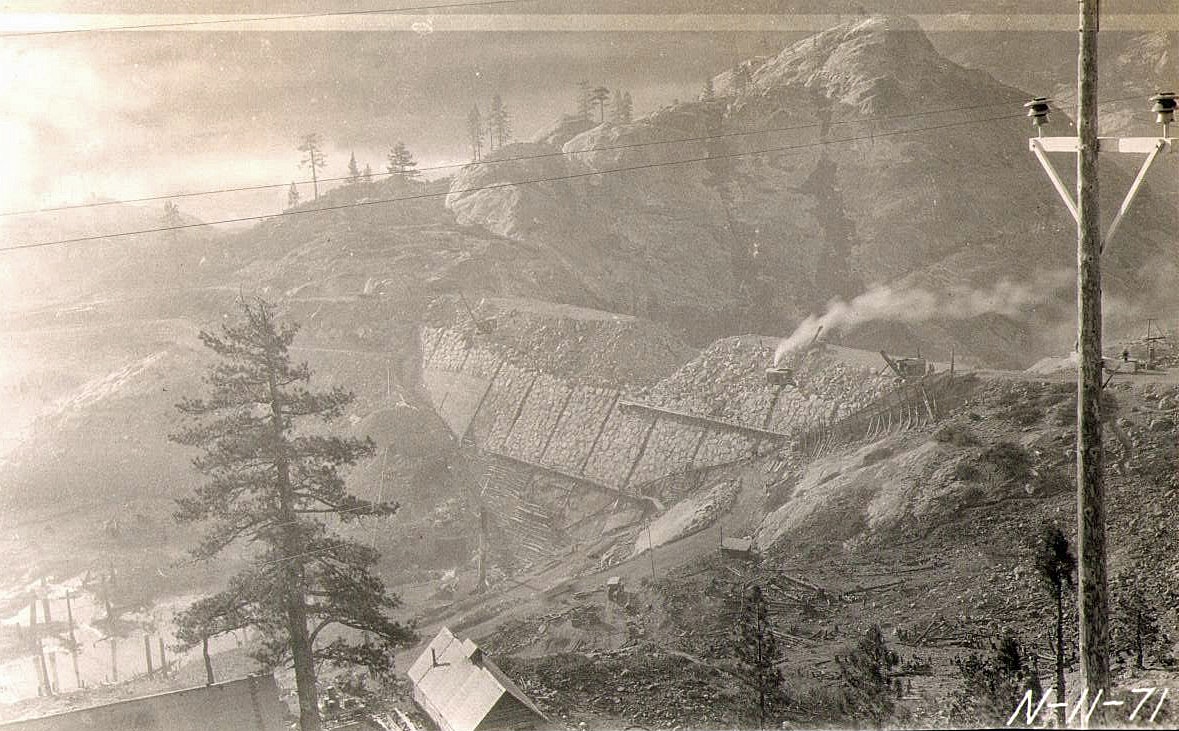
Long before Bowman Reservoir became a cornerstone of NID's water system, it was built to serve one of California’s most ambitious industries: hydraulic gold mining.
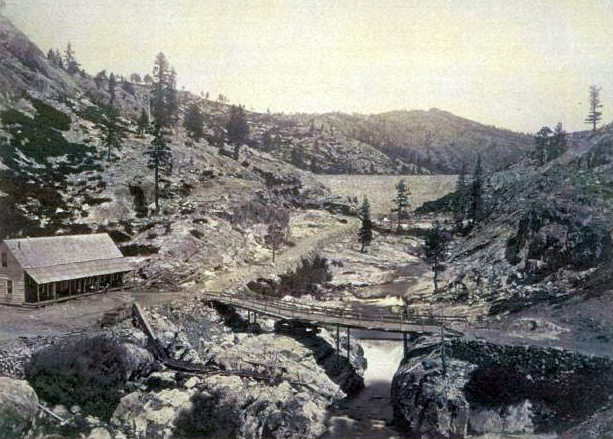
Constructed between 1872 and 1876 on Canyon Creek, Bowman Reservoir delivered water to the rich mining operations of the San Juan Ridge, including the legendary Malakoff Diggins. The project was led by hydraulic engineering pioneer Hamilton Smith Jr., later described as “one of the best-known hydraulic engineers of the last generation.”
Set at 5,500 feet in the high Sierra Nevada, Bowman Dam was an engineering feat for its time. Originally built as California’s second rockfill dam at 86 feet tall, it was raised in the 1880s to 107 feet—making it the highest dam in the world from 1880 to 1888.
But Bowman’s most transformative chapter was still ahead.
When the Nevada Irrigation District (NID) formed in 1921, local leaders saw new potential in the aging reservoir. They envisioned Bowman as the heart of a modern mountain water system—one that could reliably serve farms, ranches, communities, and hydroelectric power across the region.
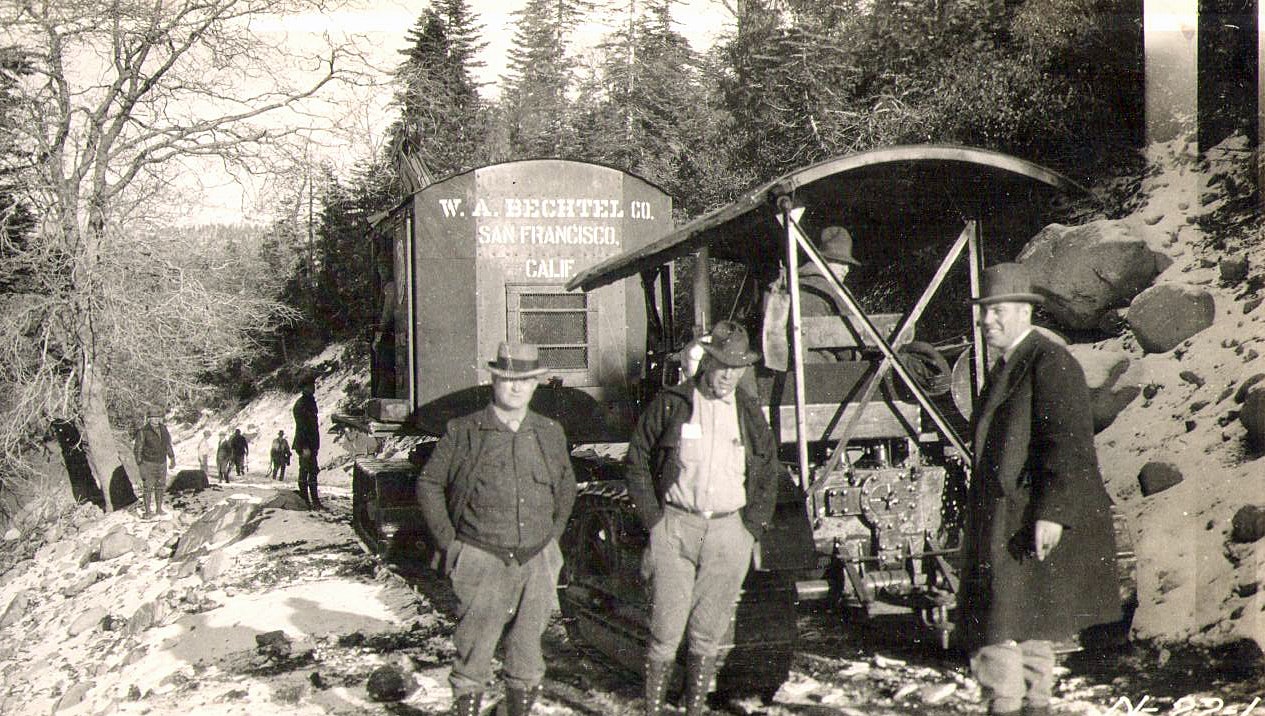
After voters approved a $7.25 million bond in 1925, NID purchased the reservoir and launched an ambitious reconstruction. The District hired young contractor Warren A. Bechtel, whose company would go on to help build Hoover Dam and become one of the most influential engineering firms in the world. In many ways, Bowman helped set that legacy in motion.
Working in the remote Sierra was no small undertaking. Snow covered the site for nearly half the year, and crews were miles from the nearest town. Bechtel built a self-sufficient construction camp complete with a hospital, storage facilities, a slaughterhouse, and more than 100 head of cattle to sustain the workforce through long winters.
Workers dismantled the original timber-crib structure and replaced it with a far larger rockfill dam engineered to handle the force of mountain runoff. When completed in 1927, Bowman Dam rose to 176 feet and stretched 680 feet across the crest. Storage capacity more than tripled to over 68,000 acre-feet, making it one of the largest rockfill dams in the world at the time.

On June 29, 1927, hundreds gathered high in the mountains to dedicate the project. The honor went to Kate “Ma” Church, a local visionary who had long championed the creation of NID.
As she broke a bottle of crystal-clear Sierra water against a plaque on the dam crest, hidden valves opened below and a powerful surge rushed into Canyon Creek.
Then Ma Church spoke the dedication:
“To a richer rural life… to a greater measure of prosperity… to a higher standard of living… to a fuller realization of happiness… and to the maximum service of humanity.”
Those words captured the enduring purpose behind Bowman, from its Gold Rush origins to its role in shaping modern California: harnessing Sierra water to serve communities, agriculture, industry, and generations still to come.