
Six Water Years that Tell the Story

From extreme drought to record-setting storms, recent history shows how quickly regional water conditions can change.
What does climate change look like in real life? Sometimes, it looks like a dry reservoir. Sometimes, it looks like a record snowpack. Sometimes, it looks like both within just a few years.
California's recent water history has been a story of extremes—severe drought, powerful storms, dramatic swings, and rapidly changing conditions.
The lesson? Climate change is not simply a story of "less water." It is a story of more uncertainty.
A Few Years. A Lot of Change.
Water managers have always planned around changing conditions. But recent years have shown just how quickly those conditions can shift.
A dry year can be followed by an exceptionally wet one. A season of drought can end with storms that bring flooding concerns. A massive snowpack can provide important water storage—but also create challenges when rapid warming causes snow to melt too quickly.
This growing variability makes long-term planning more important than ever.
Recent Years Snapshot

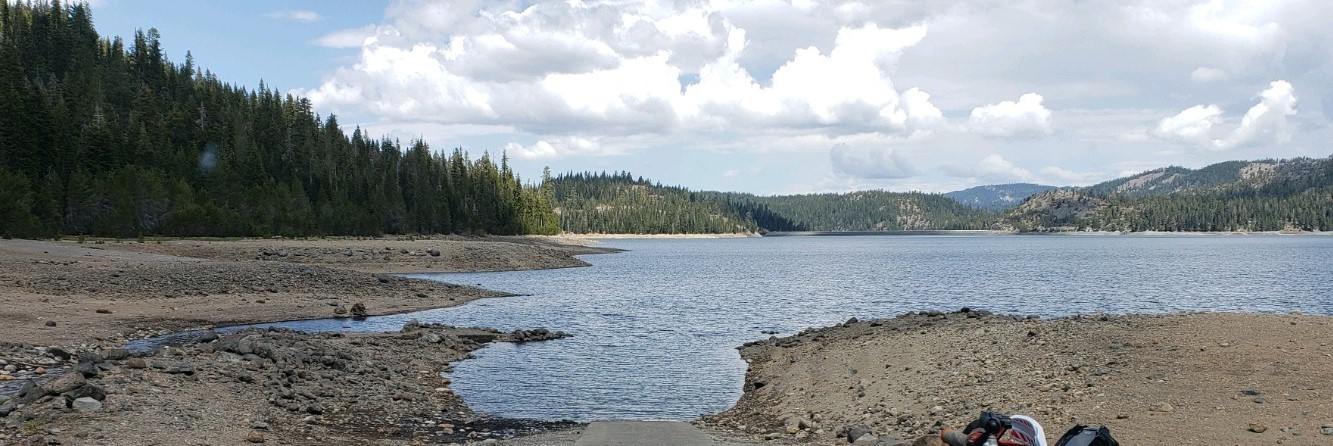
2021 — Severe Drought
California entered one of its driest periods on record. Low precipitation, warm temperatures, and limited snowpack strained water supplies across the state.
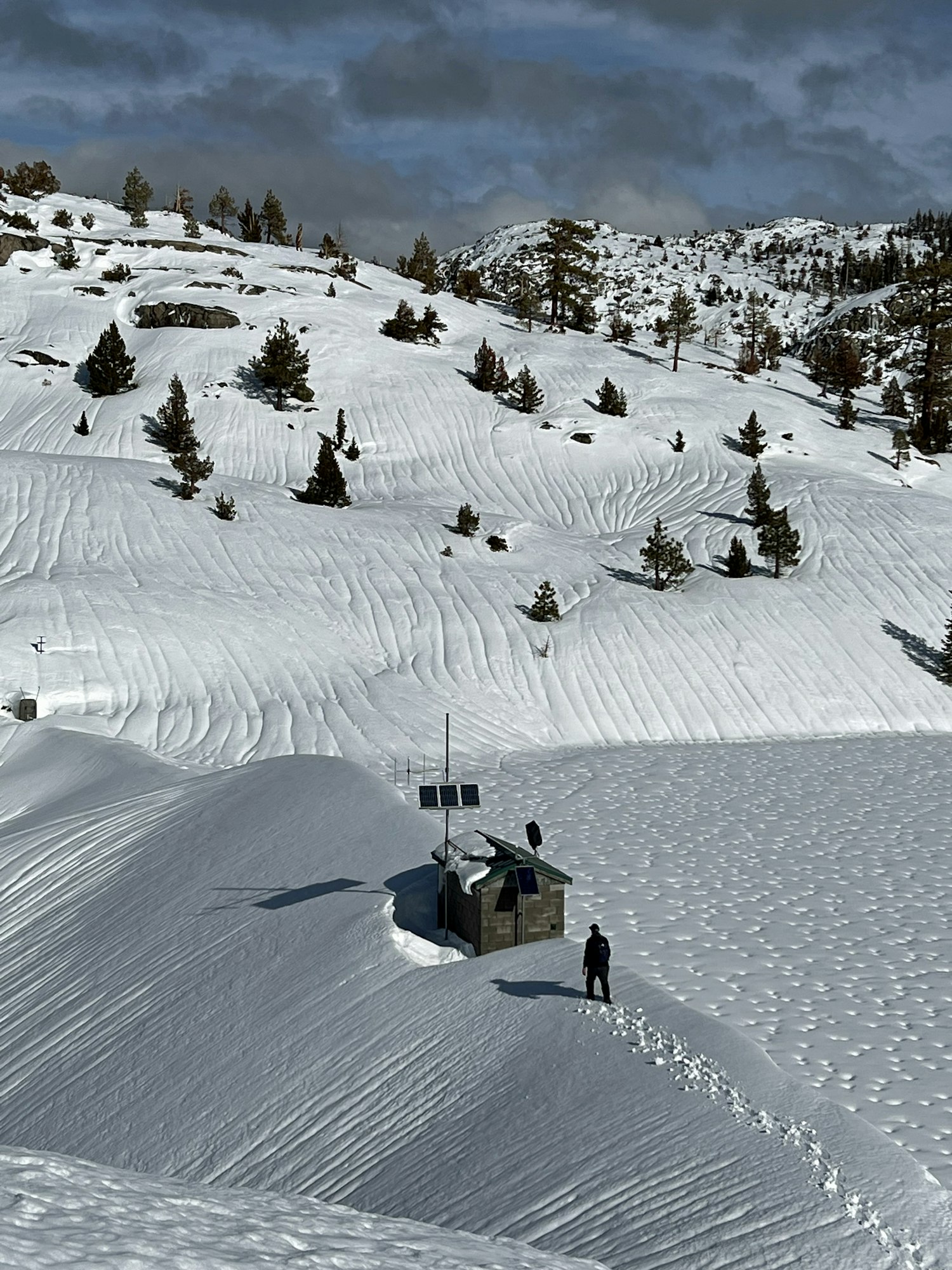
2022 — Dry Conditions Continue
A second consecutive dry year extended drought impacts, underscoring the importance of careful water management and conservation.
2023 — Historic Snowpack and Flooding
One of California's biggest snow years in decades brought abundant water—but also flooding, rapid snowmelt, and operational challenges.
2024 — Near-Average to Wet
Conditions moderated across much of the state, demonstrating how quickly California can shift from drought toward healthier water supplies.
2025 — Another Year of Variability
Following two wet years, precipitation and snowpack varied across the state. remained healthy in many regions, but uneven storms and changing snow conditions were a reminder that no two water years are alike.
2026 — The Story Continues
Current conditions continue to highlight California's changing water future. Water managers are watching not only how much precipitation falls, but also when it falls, how much arrives as snow, and how warmer temperatures influence water supplies.
What These Years Tell Us
This timeline doesn't show a simple trend toward "drier."
It shows something more complicated:
A water future with bigger swings between extremes.
For water managers, that means preparing for both sides of the equation—years with too little water and years with too much.
The challenge is not only capturing water when it arrives. It's having the systems, planning, and flexibility to manage it whenever it comes.
Planning Through Change
NID uses long-term planning, science, and careful water management to prepare for a wide range of conditions.
By understanding what recent history can teach us, the District can make better decisions about storage, operations, infrastructure, and future investments.
Because the next water year may not look like the last one.
And that's exactly why preparation matters.