
NID Celebrates Fix-a-Leak Week - Is your house leaky?

Mark your calendars for EPA's annual Fix a Leak Week, March 16 through 22, 2026—but remember that you can find and fix leaks inside and outside your home to save valuable water and money all year long.
Leaks Can Run, but They Can't Hide
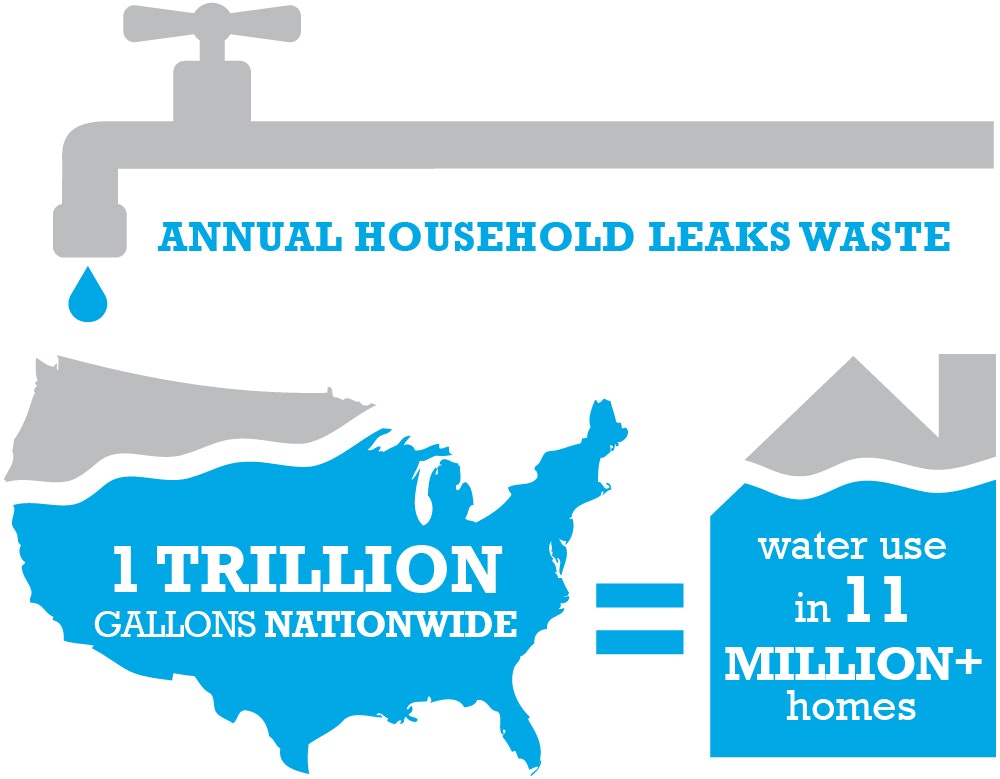
Are you ready to chase down leaks? Household leaks can waste nearly 1 trillion gallons of water annually nationwide.
What's your water footprint? Find your footprint. Click here.
Checking for Leaks
The average household's leaks can account for nearly 9,300 gallons of water wasted every year and ten percent of homes have leaks that waste 50 gallons or more per day.
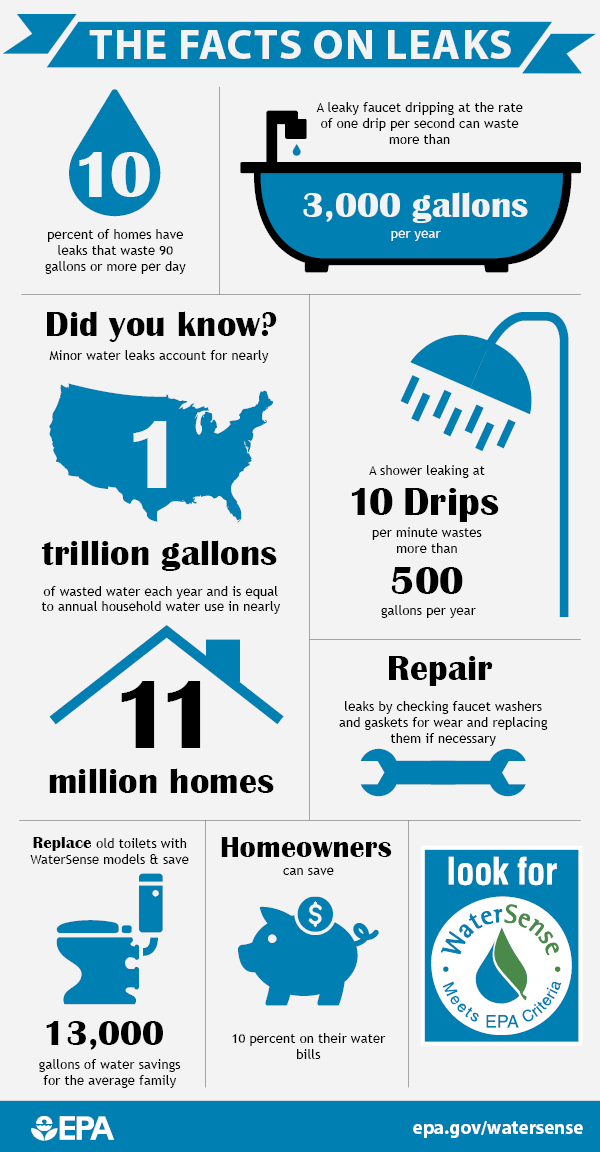
Common types of leaks found in the home are worn toilet flappers, dripping faucets, and other leaking valves. These types of leaks are often easy to fix, requiring only a few tools and hardware that can pay for themselves in water savings.
Fixing easily corrected household water leaks can save homeowners about 10 percent on their water bills.
- Review your water usage. Take a look at your water usage during a colder month, such as January or February. If a family of four exceeds 12,000 gallons per month, there are serious leaks.
- Check your water meter before and after a two-hour period when no water is being used. If the meter changes at all, you probably have a leak.
- Identify toilet leaks by placing a drop of food coloring in the toilet tank. If any color shows up in the bowl after 10 minutes, you have a leak. (Be sure to flush immediately after the experiment to avoid staining the tank.) Free leak-detection tablets are available at SCV Water's Customer Care office.
- Check for surface leaks by examining faucet gaskets and pipe fittings for any water on the outside of the pipe.
EPA Resources:
- Checking for Leaks
- Leak Detection and Flow Monitoring Devices
- Toilet Leaks
- Faucet Leaks
- Showerhead Leaks
- Outdoor Leaks
- In the Workplace
- Leaks Still Flowing?
EPA: https://www.epa.gov/watersense/fix-leak-week
NID’s water use efficiency tips: https://www.nidwater.com/water-use-efficiency