
Irrigation Season Begins: Water Flows as NID Balances Full Reservoirs and Low Snowpack

On April 15, water began flowing once again through local canals, marking the start of irrigation season for thousands of foothill farmers, ranchers, and landowners who depend on it each year.
From ranches and vineyards to backyard gardens, more than 5,200 agricultural customers rely on this moment. Water released from Scotts Flat Reservoir serves Nevada County, while Rollins Reservoir supplies Placer County—together supporting over 30,000 acres of irrigated land.
“We’re excited to get the system up and running again,” said NID Assistant General Manager Greg Jones. “These flows are what keep our farms and fields thriving every season.”
NID’s water system is both historic and highly functional—capturing snowmelt from the Sierra Nevada and moving it by gravity through nearly 500 miles of canals and more than 400 miles of पाइelines.
That water sustains a uniquely diverse agricultural landscape. Many customers farm smaller parcels—often 10 acres or less—growing everything from pasture and hay to orchards, vineyards, and specialty crops shaped by the region’s varied terrain and microclimates.
Preparing for First Flow
Delivering water on April 15 takes months of preparation. Crews spend weeks clearing vegetation, removing debris, and “mucking” canals to restore capacity and improve water quality.
At the same time, NID continues investing in modern infrastructure, including automated flow measurement structures paired with radar technology that provides real-time data.
“These upgrades allow us to deliver water more accurately and efficiently,” Jones said. “It’s about making the best use of every drop.”
Full Reservoirs, Missing Snowpack
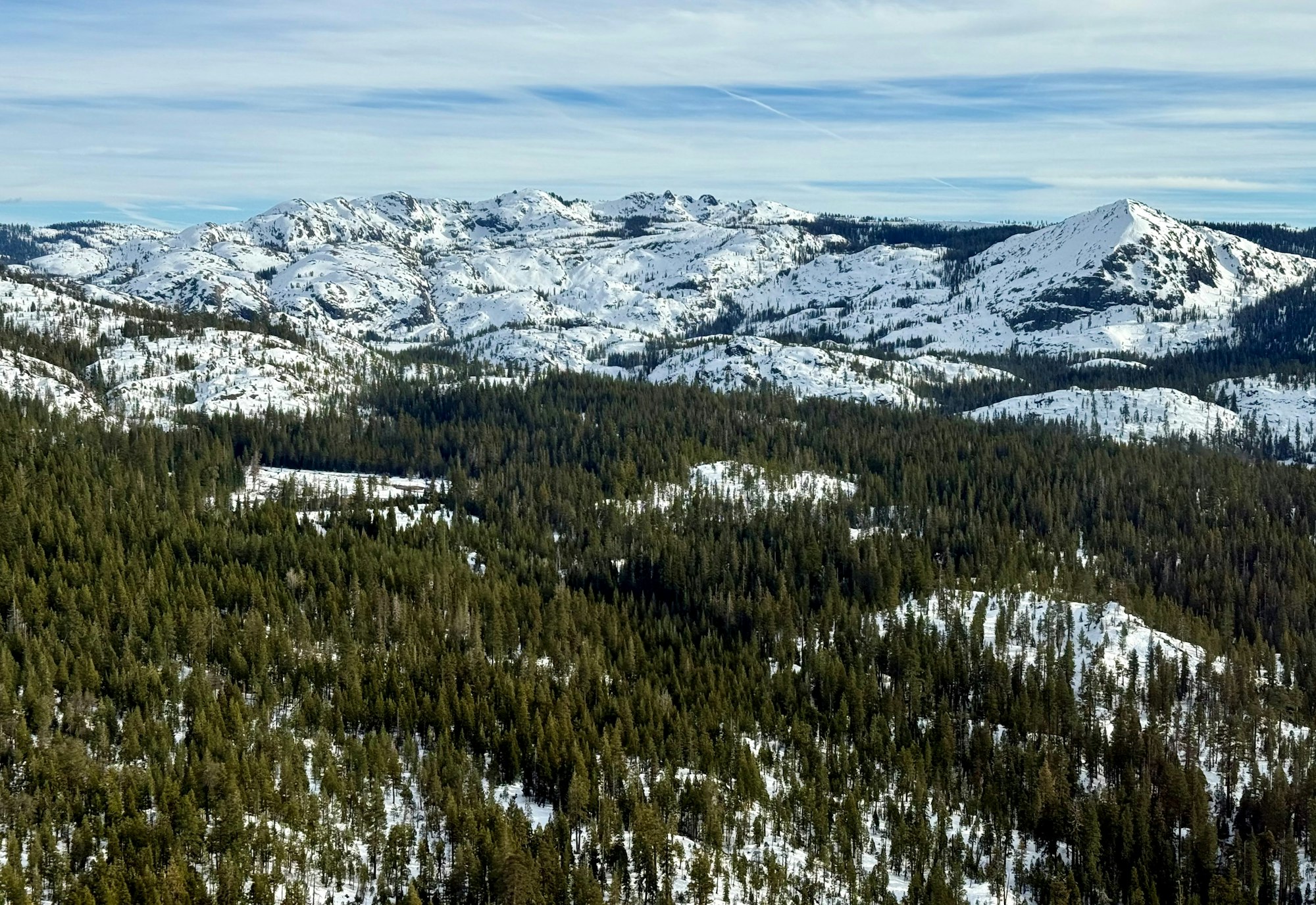
This year’s season begins under unusual conditions.
Snowpack sits at just 15% of average, yet reservoirs are nearly full—at 98% capacity—due to a winter dominated by rain rather than snow.
That contrast has raised questions about NID’s decision to declare a surplus water year. Each year, the Board ensures there is more than enough supply to meet in-district demand before designating surplus water, which can then be sold to neighboring communities.
“Our reservoirs are full and the water is already in the system,” Jones said. “We have more than enough to meet demand while responsibly managing any excess.”
Still, the low snowpack presents a longer-term concern.
“Without typical snowmelt this spring, we expect lower carryover storage,” said Water Resources Superintendent Thor Larsen. “That could affect next year’s supply, which is why conservation remains important—even in a surplus year.”
Measuring Water the Gold Rush Way
While NID modernizes its system, some traditions remain.
Many customers still receive water measured in a “miner’s inch,” a unit dating back to the Gold Rush. One miner’s inch equals 11.22 gallons per minute, delivered continuously throughout the season using calibrated boxes and openings.
Want to see it in action? Watch an NID water distribution operator adjust a canal orifice:
What’s Growing Across NID

Irrigation supports a wide range of crops across the district. Top uses include:
- Irrigated pasture (19,547 acres)
- Family gardens and orchards (6,216 acres)
- Hay (825 acres)
- Golf courses (788 acres)
- Non-table grapes (672 acres)
- Nursery - 335 acres ... 202 miner’s inches
- Apples - 276 acres ... 111 miner’s inches
- Forage (other) - 227 acres ... 49 miner’s inches
- Parks - 225 acres ... 46 miner’s inches
… and a bit lower on the list, the classic Nevada County Bartlett Pear (117 acres, 35 miner’s inches).

The full list reflects the region’s agricultural diversity, from grapes and apples to alfalfa hay and nursery plants. 👉 View the full crop list: https://www.nidwater.com/top-crops-2025
Looking Ahead
For now, water is flowing, fields are greening, and the irrigation season is underway—continuing a tradition more than a century in the making.
But this year comes with a note of caution. With little snowmelt expected, the system will rely more heavily on stored water, making conservation and careful management essential.
“We’re in a good position today,” Jones said. “But what happens this spring will shape what next year looks like.”