
Get ready for storm season in the Sierra foothills
Learn how you can get storm‑ready and see what NID is doing to prepare, too
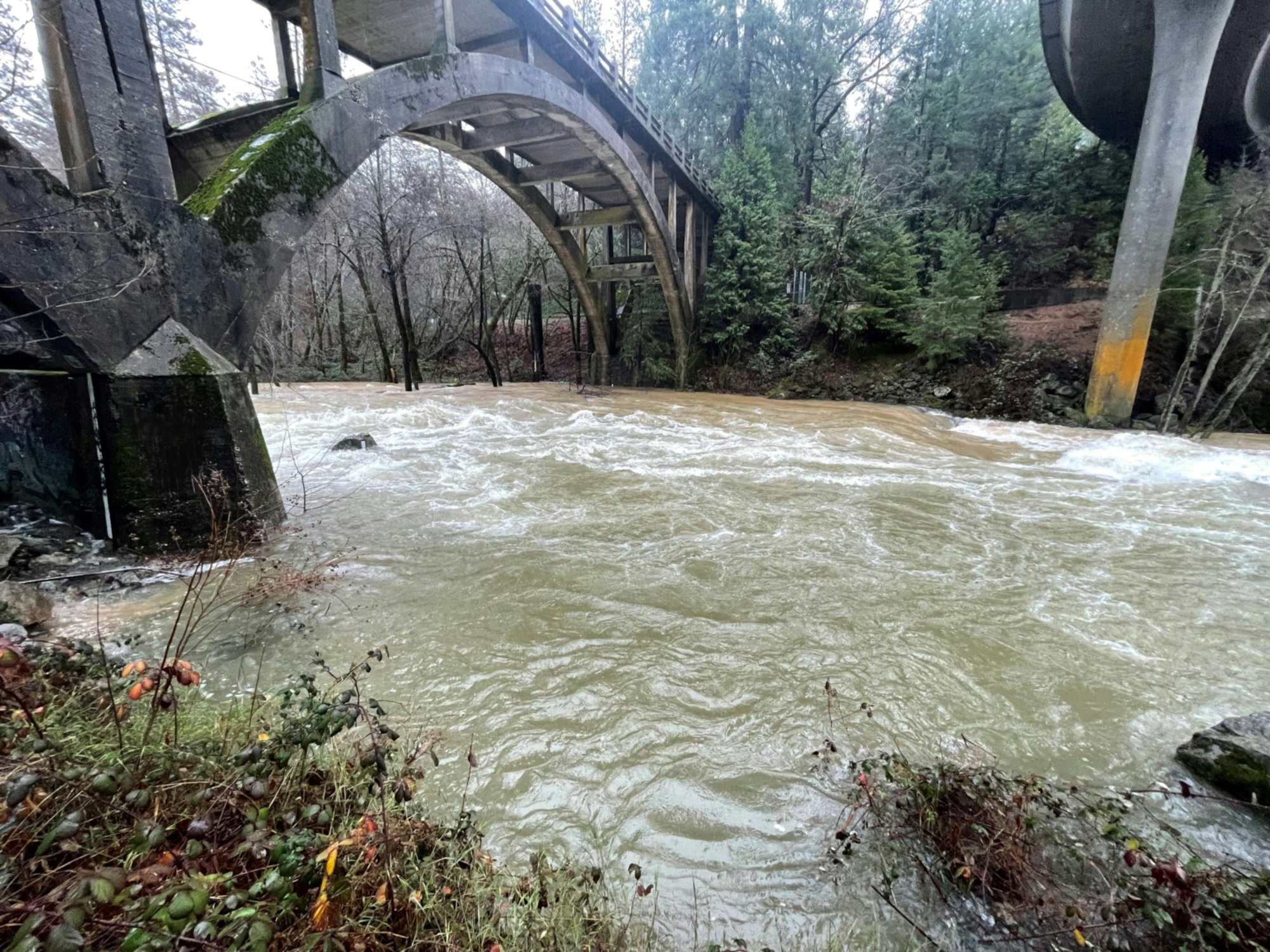
While the Sierra foothills don’t face the same large‑scale flooding as other regions of California, winter storms, heavy runoff, and clogged drainage can still lead to localized flooding. With a very strong El Niño forecast for winter 2026–27, now is a great time to prepare.
Statewide Context:
California Flood Preparedness Week (Oct. 17–24) encourages residents to understand flood risk and get winter‑ready. This statewide effort is supported by water agencies, including NID, to help protect lives, property, and communities.
What You Can Do Now
- Clean your gutters
- Build an emergency kit
- Check your property drainage
- Review insurance, etc.
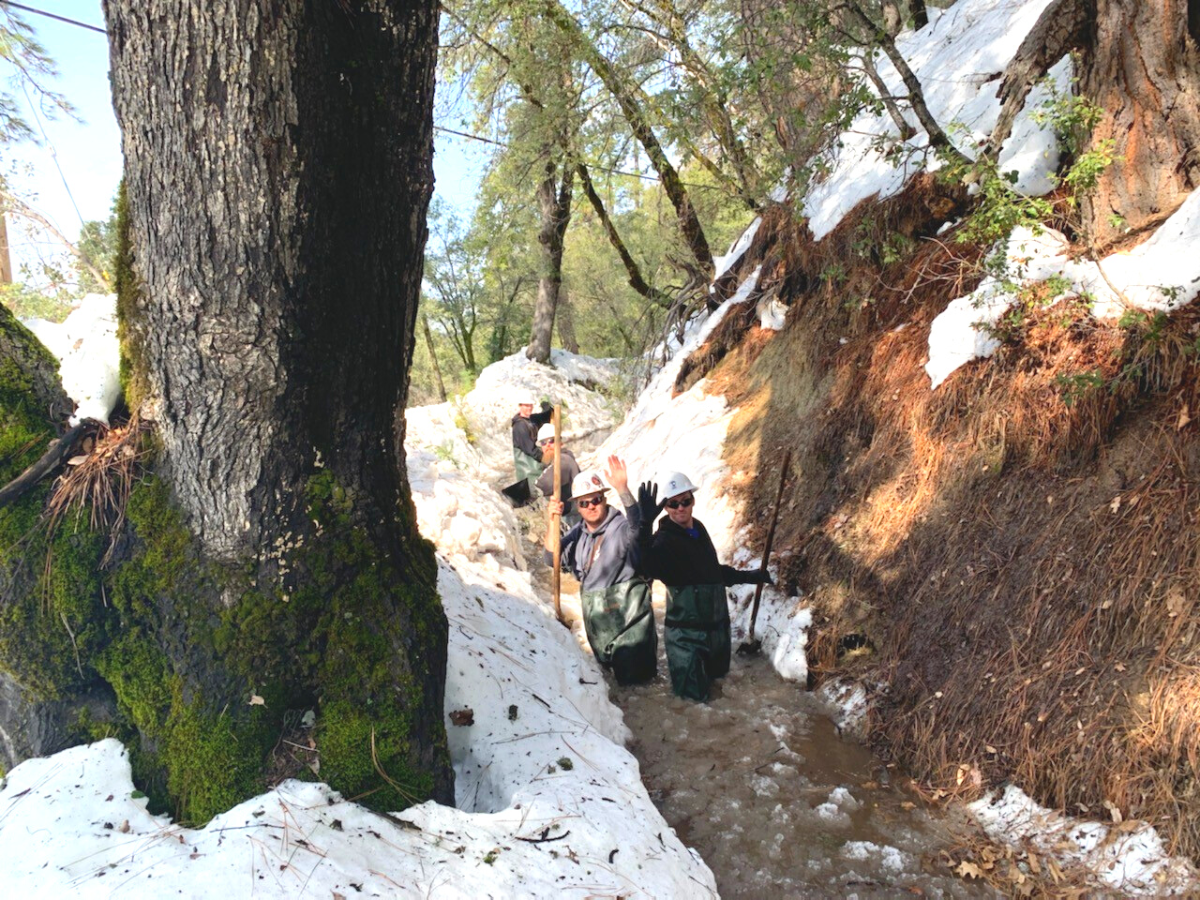
How NID Prepares for Winter Storms
NID takes a series of proactive steps each year to prepare the water system for heavy rain, runoff, and storm impacts. These actions help reduce local flooding risks, protect infrastructure, and keep water deliveries reliable during winter weather.
NID’s storm‑season preparation includes:
- Inspecting infrastructure across the system
- Strengthening and building up canal banks where needed
- Clearing debris from canals, spillways, and drainage areas
- Shutting off canals in advance of major storms
- Monitoring reservoir levels and runoff forecasts
- Preparing crews and equipment for rapid storm response
Additional Resources
Ready Placer and Ready Nevada County are public emergency preparedness and information portals created by the Offices of Emergency Services.
Ready.gov is an official national public service website run by the U.S. Department of Homeland Security and FEMA (Federal Emergency Management Agency).
Disaster Preparedness: Provides guidance on how to prepare for, respond to, and recover from natural and man-made disasters (such as hurricanes, floods, earthquakes, wildfires, and power outages).
- Know your risk for floods, visit FEMA's Flood Map Service Center to know types of flood risks in your area. However, remember that flooding doesn’t follow lines on a map.